
Obelia Hydroid Polyp Stage
Obelia is the primary genus of widely distributed animals belonging to the phylum Cnidiria. Members of Obelia must complete two generations, each with its own form and set of behaviors, in order to finish a single life cycle.
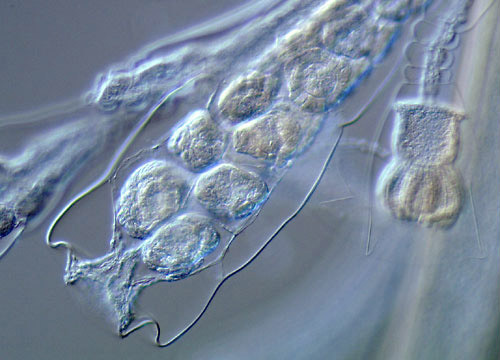 DIC
DIC
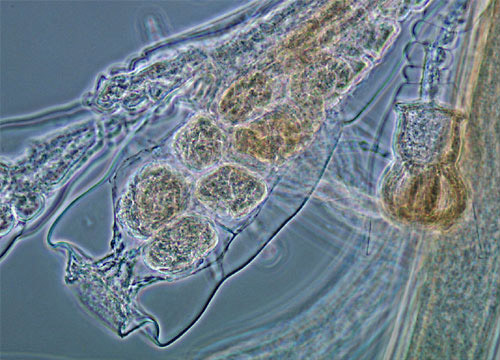 Phase
Phase
Phase
DIC
Featured in:
Share this page: