
Horsefly Cornea
Horsefly is the common name for many of the stout flies in the family Tabanidae. The bite of adult female horseflies is an annoyance to humans, but an even greater menace to livestock. Adult males survive solely on pollen and nectar, but the larvae of the species are fierce predators that sometimes display cannibalistic behavior.
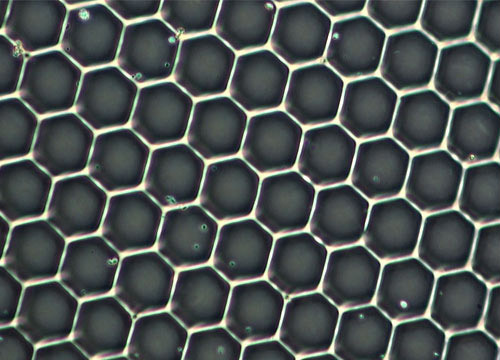 Negative
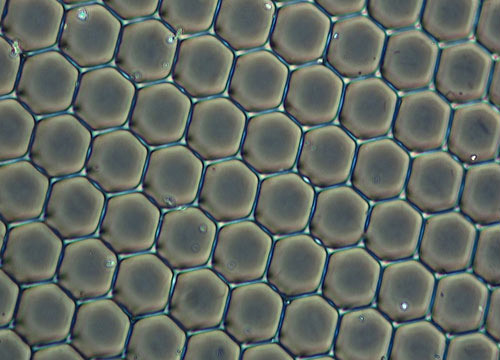 Positive
Positive
Negative
Featured in:
Share this page: