
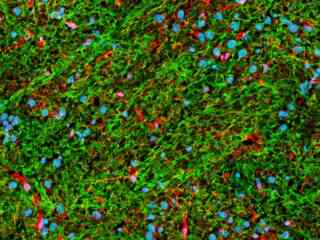
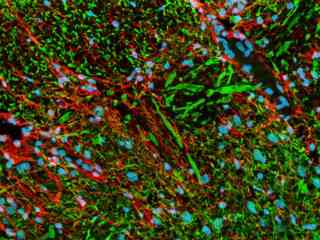
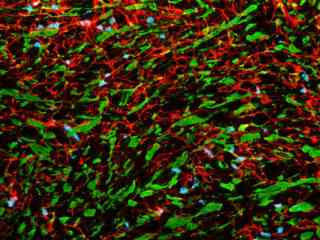
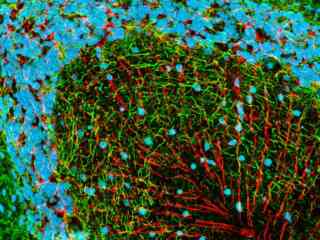
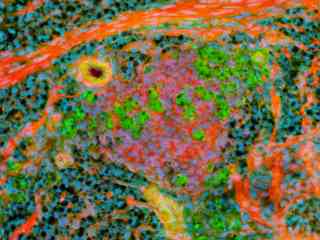
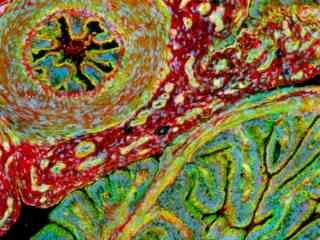
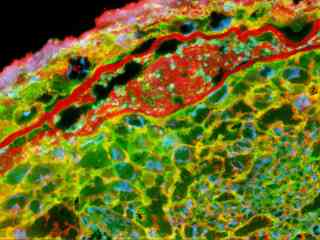
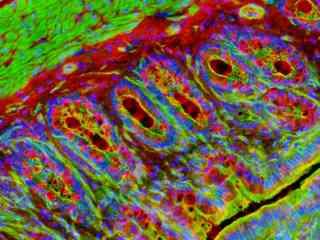
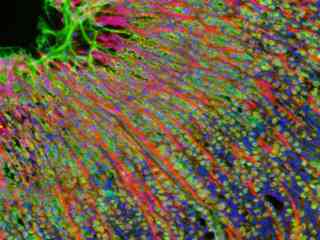
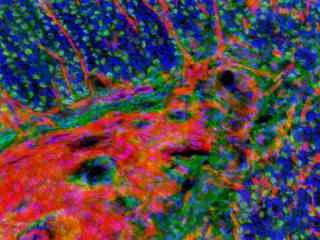
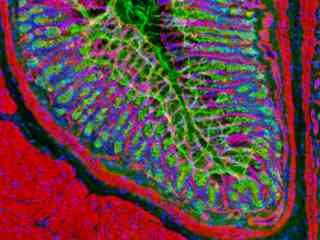
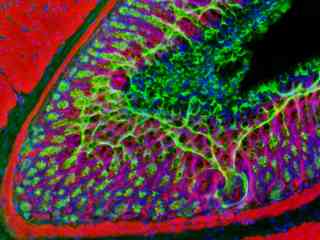
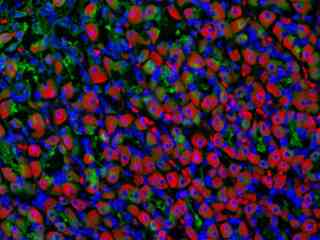
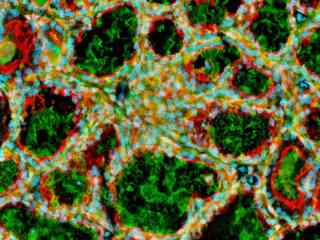
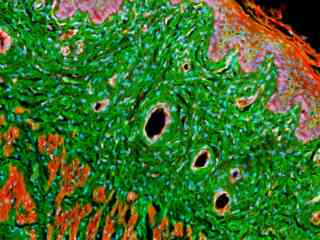
Rat Tissue Sections

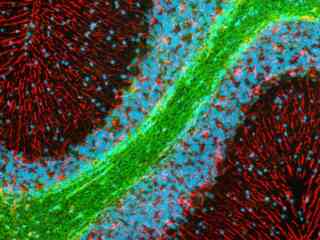
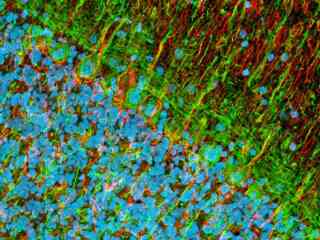
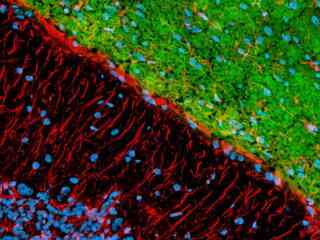
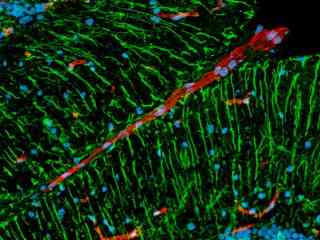
The humble rat has had an outsized impact on human history. In the Middle Ages, the black rat (Rattus rattus) was blamed for spreading the Black Plague through its fleas, a pandemic that killed a third of Europe's population, an estimated 34 million people. In modern times, however, a larger cousin, the Brown rat (Rattus norvegicus) has become an important model organism in biological research. Selective breeding of the Brown Rat has produced the albino laboratory rat. Rats grow quickly to sexual maturity and are easy to keep and breed in captivity. Scientists have bred many strains or "lines" of rats specifically for experimentation. Generally, these lines are not transgenic because the easy techniques of genetic transformation that work in mice do not work as well for rats. This has been a problem for investigators who view rat behavior and physiology as more relevant to humans and easier to observe than in mice. In October 2003, researchers succeeded in cloning two laboratory rats by the problematic technique of nuclear transfer. As cloning techniques are perfected, rats likely will become an important subject of genetic research.












































Share this gallery: